" "
{Current Date}Independent · Free · Factual
BREAKINGFed Reserve Rate Decision — What It Means For You AI And Jobs — The Latest Research Explained China-Taiwan — What Is Happening Right Now Inflation Update — How It Affects Your Wallet Social Security — What The Numbers Really Show BREAKINGFed Reserve Rate Decision — What It Means For You AI And Jobs — The Latest Research Explained China-Taiwan — What Is Happening Right Now Inflation Update — How It Affects Your Wallet Social Security — What The Numbers Really Show
PoliticsTechnologyBusiness & FinanceWorld NewsScienceHealthAbout UsContact Us

How To Choose the Perfect Diamond Ring or Wedding Jewellery

Choosing a diamond ring or wedding jewellery is exciting, but it can also feel overwhelming. There’s jargon, pressure, and a huge range of prices. The “perfect” piece depends a lot on your budget, style, lifestyle, and values — there isn’t one right answer for everyone.

This FAQ-style guide lays out the key decisions, explains the trade‑offs, and gives you the vocabulary to compare options confidently.

What should I decide first when choosing a diamond ring or wedding jewellery?

Before you dive into cuts and carats, it helps to settle three basics:

  1. Budget range

    • Are you comfortable at a modest, mid-range, or luxury level?
    • Is the budget for the whole set (engagement ring + wedding bands + other jewellery) or just one item?
  2. Metal colour and type

    • Yellow gold, white gold, rose gold, or platinum are the most common.
    • Your choice affects look, durability, and maintenance.
  3. Overall style

    • Classic and simple
    • Vintage or ornate
    • Modern and minimal
    • Bold and statement-making

Once you’re clear on these, the other choices — especially for the stone — become much more manageable.

What are the 4Cs of diamonds and why do they matter?

When people talk about diamond quality, they usually mean the 4Cs:

CWhat It MeansWhat It Affects
CaratWeight (size) of the diamondVisual size, price
CutHow well it’s cut and proportionedSparkle, brilliance, fire
ColourHow white or tinted the diamond looksAppearance, rarity, price
ClarityPresence of internal or surface marksPurity, appearance, price

Each C influences both how the diamond looks and how much it costs. Most people end up trading off between them to stay within budget.

Which is more important: carat size or diamond quality?

This depends a lot on personal preference and how the ring will be worn:

  • If you care most about sparkle and beauty up close, many experts see cut as the top priority.
  • If you want a larger-looking ring that stands out from a distance, you might lean toward higher carat and make compromises on clarity or colour.
  • If your partner values subtle, refined quality, they might prefer a modest size but cleaner clarity and better colour.

There’s no universal “right” choice; most buyers aim for a balanced mix that feels right visually and financially.

What are common diamond shapes and how do they differ?

Diamond shape (or “cut shape”) is mostly about style. Here’s a quick comparison:

ShapeLook & StyleNotes
RoundClassic, most sparkleOften the most expensive per carat
PrincessSquare, modernSharp corners, contemporary look
OvalElongated, flattering on the fingerCan look larger than round of same carat
CushionSoft square/rectangle with rounded edgesVintage feel, lots of sparkle
EmeraldRectangular, step-cut, mirror-like facetsElegant, shows clarity more
PearTeardrop shapeDistinctive, elongates the finger
MarquiseLong, pointed endsDramatic, can look large for its carat

If someone likes timeless, safe choices, round is hard to argue with. If they like something less common, oval, cushion, or emerald might appeal more.

How do I choose the right metal for a ring or wedding jewellery?

Your metal choice affects colour, durability, comfort, and cost.

Common options

MetalColour & LookGeneral Traits
Yellow GoldWarm, classic goldTraditional; can flatter warm skin tones
White GoldSilvery-whitePopular; usually plated to stay bright
Rose GoldPinkish toneRomantic, trendy, looks vintage-inspired
PlatinumNaturally whiteDense, durable, often more premium

Other factors:

  • Skin sensitivity: Some people react to certain alloys, so metal composition can matter.
  • Maintenance: White gold often needs periodic replating over time; platinum can scratch but has no plating layer to wear off.
  • Colour of stones: Slightly tinted diamonds sometimes look better in warmer metals (yellow or rose gold).

Should I consider lab-grown diamonds or alternatives like moissanite?

You have more options than natural diamonds now:

1. Natural diamonds

  • Formed in the earth over a long time.
  • Valued for rarity and tradition.
  • Often cost more per carat than lab-grown.

2. Lab-grown diamonds

  • Real diamonds grown in a lab.
  • Same basic physical and chemical properties as natural diamonds.
  • Typically more affordable at similar sizes and qualities.
  • Long-term resale value and perceived status can differ from natural stones.

3. Diamond alternatives (e.g., moissanite, white sapphire)

  • Moissanite: Very sparkly, different type of stone with its own look and properties.
  • White sapphire: More subdued sparkle, can look slightly “softer” than diamond.
  • Often significantly cheaper, especially at larger sizes.

Which path fits best depends on:

  • How important tradition vs. practicality is to you
  • Your budget and desired size
  • Views on mining and environmental impact
  • How much you care about future resale or heirloom perception

How do I match the ring or jewellery to someone’s personal style?

To get a sense of style, look at:

  • Everyday jewellery they already wear:
    • Minimal vs. detailed
    • Silver/white metals vs. yellow/rose
  • Fashion style:
    • Classic, boho, modern, vintage, bold?
  • Lifestyle:
    • Hands-on job or hobbies (healthcare, trades, sports)?
    • Comfortable with a delicate, high-set stone, or better suited to something low and sturdy?

Some general patterns:

  • Classic dresser → Simple solitaires, pavé bands, timeless shapes like round or oval.
  • Vintage lover → Milgrain details, halos, filigree, cushion or emerald cuts.
  • Modern minimalist → Clean bands, bezel settings, geometric shapes.
  • Bold personality → Chunky bands, coloured gemstones, unique settings.

What ring settings should I know about?

The setting holds the stone and shapes the overall look and practicality.

Setting TypeDescriptionBest For
SolitaireSingle main stoneClassic, simple, timeless
HaloCenter stone surrounded by small stonesExtra sparkle, makes center look larger
Three-stoneOne center stone + two side stonesSymbolic, more presence
PavéBand lined with small diamondsSparkly band, elegant
BezelMetal rim surrounds the stoneVery secure, modern, low profile
ChannelStones set between metal walls in the bandSmooth surface, less snagging

If the wearer uses their hands a lot or hates catching rings on clothing, a lower-profile or bezel style can be more practical.

How can I make a ring look bigger without overspending?

If you want more visual impact without dramatically increasing carat size, you can consider:

  • Halo settings: A ring of small diamonds around the center makes it look larger.
  • Thinner band: A slim band can make the center stone appear bigger by contrast.
  • Certain shapes: Ovals, marquise, and some pear shapes can look larger than a round of similar weight.
  • Good cut quality: A well-cut stone can appear larger and brighter than a poorly cut one of higher carat.

All of these involve trade‑offs in style, durability, and budget that you can weigh based on what matters most.

How do I choose wedding bands to go with an engagement ring?

Wedding bands and engagement rings can be:

  • Perfectly matched (sold as a “bridal set”)
  • Coordinated but not identical
  • Completely independent (for those who prefer a band they can wear alone)

Things to think about:

  • Fit with the engagement ring:

    • Does the band sit flush against it, or do you like a small gap?
    • Some engagement ring settings need a specially shaped band.
  • Comfort and lifestyle:

    • Flat, slim bands tend to be more comfortable for everyday wear.
    • Eternity bands (stones all around) look beautiful but can be less practical for resizing later.
  • Matching metals and styles:

    • Some couples like matching metals and designs.
    • Others mix metals (e.g., her rose gold, his white gold) to fit individual tastes.

What about other wedding jewellery beyond the ring?

For weddings, people often consider:

  • Earrings: Studs, drops, or small hoops that complement the outfit and hairstyle.
  • Necklaces: Simple pendants or statement pieces, depending on the neckline.
  • Bracelets: Slim bangles or tennis bracelets.

Key variables:

  • How formal the wedding is
  • The style and colour of the outfit
  • Whether the jewellery will be worn long-term or mainly for the day

Some choose classic pieces they know they’ll reuse; others pick something more dramatic for the event itself.

How can I compare quality when shopping?

A few practical steps:

  • Look for grading information (for diamonds, usually from recognized labs).
  • Compare stones side by side under similar lighting.
  • Check how the jewellery looks from multiple angles and at arm’s length, not just under bright lights.
  • Ask about:
    • Metal type and purity (e.g., what karat gold, what alloys)
    • Setting style and how secure it is
    • Any aftercare services (cleaning, prong checks, resizing options)

Comparing several pieces in your budget range helps you see real-world differences between quality levels and styles.

How do I know what’s right for my situation?

That comes down to weighing:

  • How much you care about size vs. quality
  • How important brand names or specific certifications are to you
  • Your budget and how flexible it is
  • What fits the wearer’s style, comfort, and daily life
  • How you feel about natural vs. lab-grown vs. alternatives

Once you’re clear on those priorities, you can use the ideas here — 4Cs, metal choices, settings, and style clues — as a checklist to compare options and ask focused questions, instead of feeling pushed toward any one “perfect” answer.
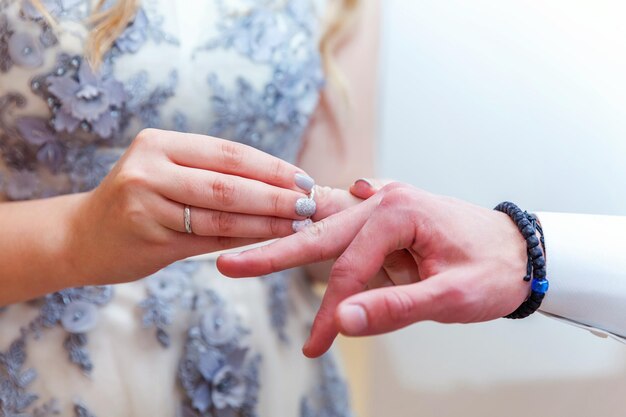

Couple choosing rings